AMAALA Triple Bay 2026 has reached the point every major development ultimately works toward: guests are arriving while the wider destination continues to be delivered around them. That makes this year especially important for planners, engineers and project-controls professionals. The story is no longer only about construction progress. It is now about phased handover, commissioning, operator readiness, interfaces and the difficult transition from project delivery into live operations.
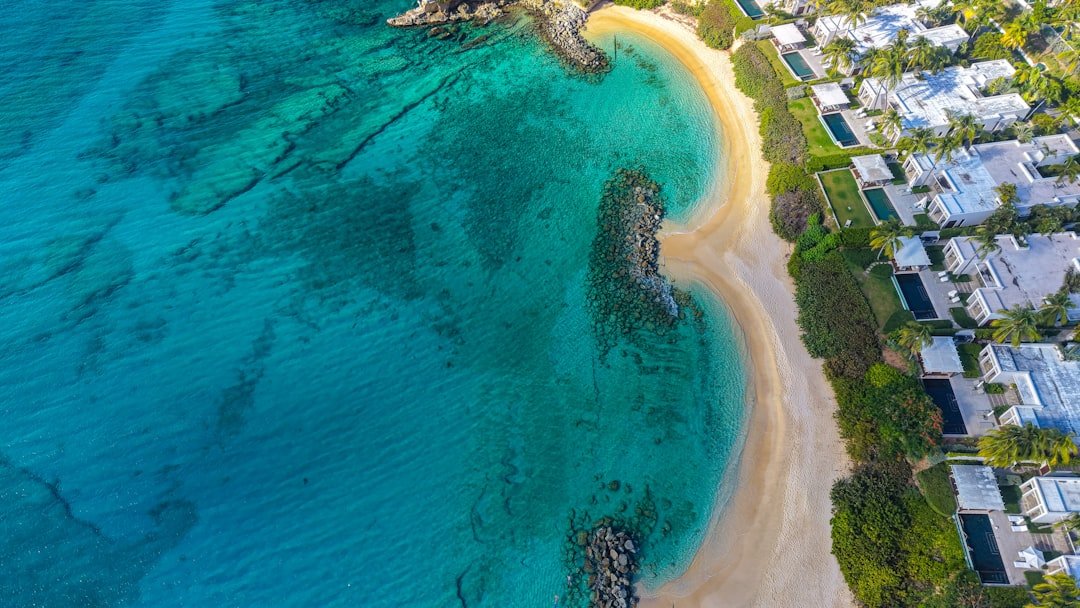
Red Sea Global officially welcomed the first guests to Four Seasons Resort and Residences AMAALA at Triple Bay on 15 June 2026. Six Senses AMAALA followed in July, and on 18 August, Rosewood AMAALA became the third resort to open at Triple Bay.
Those milestones provide a more useful picture of current status than an old percentage-complete figure. AMAALA is now a live destination, but its phased delivery is still continuing.
Four Seasons AMAALA opens and the destination begins live operations.
Six Senses AMAALA opens, expanding the wellness offering.
Rosewood AMAALA becomes the third operating resort at Triple Bay.
AMAALA Triple Bay 2026: where the destination stands
AMAALA is being developed by Red Sea Global on Saudi Arabia’s northwestern Red Sea coast. The developer’s current official AMAALA overview lists a total area of about 4,200 square kilometres, nine hotels with around 1,600 keys, more than 300 branded residences, 100% renewable power and a target of 30% net conservation gain by 2040.
These figures matter because AMAALA should not be treated as a single hotel project. It is a destination programme made up of hospitality assets, branded residences, wellness facilities, marine infrastructure, utilities, roads, landscaping, staff accommodation, retail, dining and destination-wide operational systems.
That scale changes the meaning of completion. One building may already be earning revenue while an adjacent package is still being commissioned. A marina may be operational while another resort is finishing interiors. Public areas may be handed over in sections while construction logistics continue through controlled routes elsewhere.
Three resort openings changed the AMAALA progress story
The strongest evidence of progress in 2026 is the opening sequence itself.
Four Seasons Resort and Residences AMAALA at Triple Bay opened in June and marked the official start of destination operations. That was a major programme milestone because opening a resort requires much more than completing construction quantities. Guest circulation, life-safety systems, utilities, operator systems, back-of-house operations, food and beverage, landscaping, technology, staff readiness and final approvals all have to converge.
Six Senses AMAALA followed in July. Its opening reinforced the wellness positioning of the destination and demonstrated that the handover process was moving beyond a single anchor asset.
The newest milestone is Rosewood AMAALA. Red Sea Global announced its opening on 18 August 2026. The resort has 110 keys and sits on roughly 40 hectares, while Rosewood Residences AMAALA adds 26 branded residences. RSG also states that Rosewood is the third resort to open at Triple Bay and that a further five resorts are expected to join the portfolio in the coming months.
That last point is important. It confirms that the current delivery strategy is phased. AMAALA is operating and expanding at the same time.
Why phased openings are difficult to control
Near the end of a complex project, the critical path often moves away from the large visible quantities that dominated early construction. A small unresolved interface can become more important than a large volume of finished work.
A luxury resort may be 98% physically complete but still be unable to open because of one integrated systems test, an authority approval, an operator acceptance requirement, an incomplete guest route or a missing piece of specialist equipment. That is why planners should separate physical completion from operational readiness.
A useful milestone structure is:
- construction substantially complete;
- testing and commissioning complete;
- authority approvals obtained;
- operator handover accepted;
- soft opening or trial operations complete; and
- commercial opening.
Combining all of these into a single finish date hides risk. A programme can appear healthy even when the asset is not truly ready for guests.
Interface management becomes the real critical path
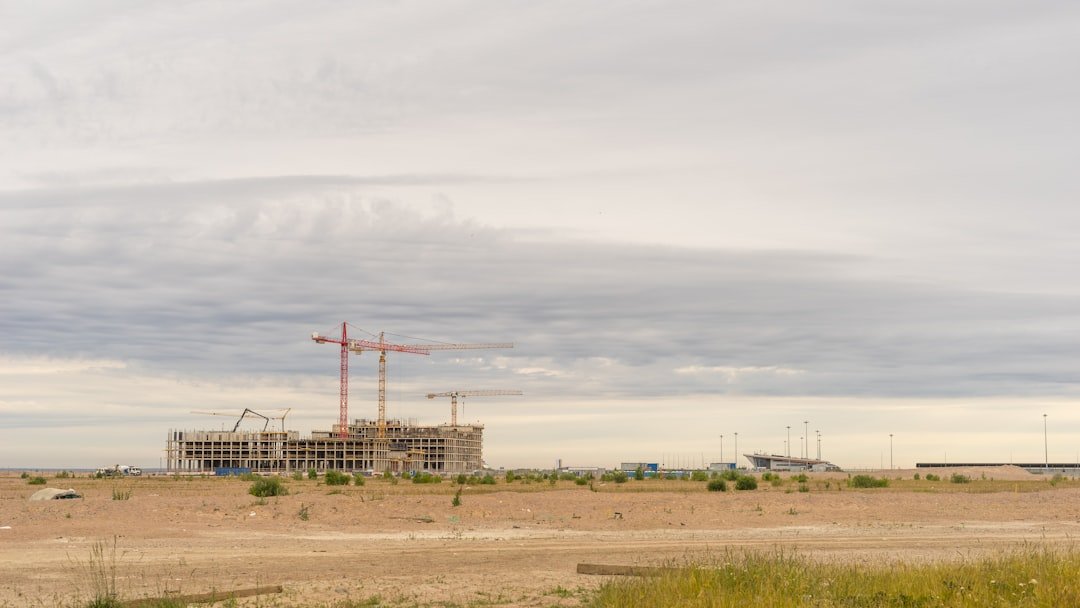
Large destination programmes contain hundreds of interfaces between contractors and operators. The final stage intensifies those dependencies.
For example, a completed guestroom still depends on permanent power, domestic water, fire alarm integration, ICT, access control, housekeeping systems and accepted common areas. A restaurant cannot open simply because the fit-out is finished; kitchen equipment, extraction, gas or power, fire suppression, food-safety requirements, commissioning and operator training all have to be ready.
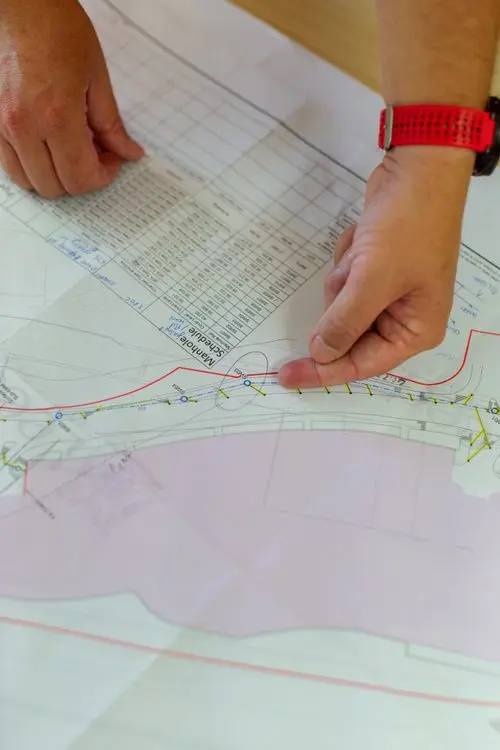
This is why integrated master schedules are essential. Contractor programmes should not sit in isolation. Key interface milestones need to be connected across packages so the programme can show when one contractor’s delay affects another contractor’s completion or the destination’s opening date.
For teams managing large Primavera schedules, Brainbay’s Project Analyzer provides a practical route to review XER or Excel project data, examine schedule quality, progress and performance indicators, and identify issues that deserve closer engineering review.
From percentage complete to readiness-based reporting
One of the most useful lessons from AMAALA Triple Bay 2026 is that project reporting needs to evolve with the phase of work.
During structural construction, teams naturally focus on concrete, steel, façade, MEP rough-in and major production quantities. Near opening, the dashboard should change. Management needs to see commissioning status, snag closure, outstanding inspections, operator actions, authority approvals, life-safety readiness and package-by-package handover.
The same principle applies to earned progress. Installed work should not automatically be treated as fully earned when the contract or rule of credit requires inspection, testing or acceptance. A reliable reporting structure distinguishes between installed, inspected, commissioned and accepted work.
If your team is still moving P6 data manually into spreadsheets for every reporting cycle, the guide on connecting Primavera P6 and Power BI for better reporting shows a more scalable way to turn programme data into management dashboards.
Sustainability is also a scheduling interface
AMAALA’s environmental commitments are not separate from construction planning. Red Sea Global says the destination is fully powered by renewable energy and is targeting a 30% net conservation gain by 2040.
For delivery teams, that means sustainability requirements can affect utility commissioning, logistics, temporary works, marine activities, waste systems, water management, landscape restoration and handover documentation. Environmental constraints can influence construction sequence just as strongly as physical access or procurement.
The lesson is straightforward: sustainability activities need real logic and ownership in the schedule. They should not be reduced to narrative lines in a monthly report.
Connectivity is part of project readiness
Destination readiness also extends beyond the resort plots. Red Sea Global completed the modernization of AlWajh International Airport in June 2026, restoring scheduled connections and strengthening access to northwest Saudi Arabia.
For planners, this is a useful reminder that an opening milestone may depend on external infrastructure that sits outside the direct construction contract. Roads, airports, utilities, transport systems and public-realm packages can all become programme-level dependencies.
What planning engineers can learn from AMAALA
AMAALA’s transition into operations offers several practical lessons for any large hospitality, mixed-use or infrastructure programme.
- Measure the milestone that matters. Operational opening is often more meaningful than a physical progress percentage.
- Plan handover early. Testing, commissioning and operator acceptance should be integrated months before the final construction stage.
- Control interfaces explicitly. Shared systems and cross-package dependencies need logic, owners and dates.
- Change the dashboard as the project matures. Production metrics are not enough near opening.
- Protect the audit trail. Progress should be supported by measurable quantities, inspections and approved rules of credit.
- Keep the live programme realistic. A schedule that shows completion but ignores unresolved operational constraints is not a useful management tool.
Turn complex project data into clearer decisions
Brainbay brings schedule analysis, progress and EVM review, baseline/update comparison and export workflows into one project-controls platform.
Explore Brainbay Platform Tools Analyze a Primavera P6 XER file →
AMAALA Triple Bay 2026: the bigger takeaway
The most useful way to describe AMAALA today is not simply “under construction” or “complete.” It is a major destination moving asset by asset from construction into operation.
Four Seasons opened in June. Six Senses followed in July. Rosewood opened on 18 August. Red Sea Global says five more resorts are expected to join the portfolio in the coming months. At the same time, the wider destination continues to develop its hospitality, residences, marina, wellness facilities and visitor experiences.
For project-controls professionals, that transition is the real case study. It shows why the final stage of a megaproject is governed less by headline quantities and more by interfaces, commissioning, approvals and readiness.
AMAALA Triple Bay 2026 is therefore more than a Saudi tourism update. It is a practical example of how complex programmes move from a construction schedule to a functioning destination—and why strong project controls remain critical all the way to opening day.