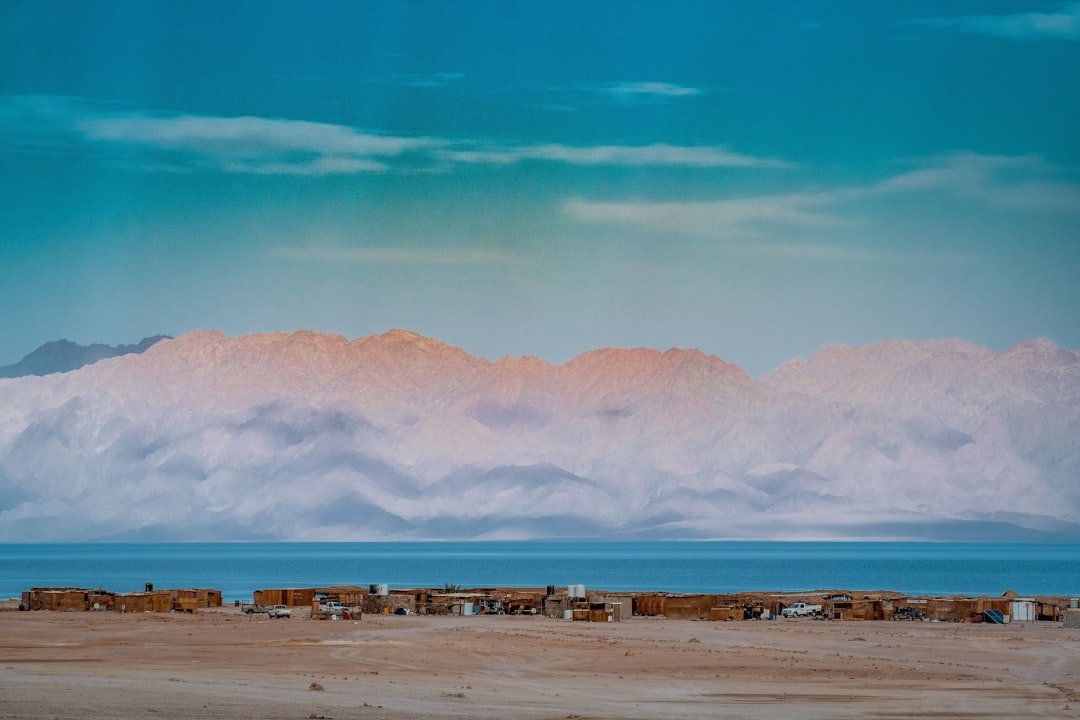
Shura Island construction lessons for complex island developments, phased openings and live hospitality operations.
Shura Island construction lessons for project-controls teams
Shura Island construction lessons are increasingly relevant to planners and project-controls teams working on complex destination projects in Saudi Arabia. At the heart of The Red Sea, Shura combines hotels, residences, a marina, golf, utilities and transport infrastructure on an island where environmental performance is part of the delivery brief—not an afterthought.
Red Sea Global (RSG) says Shura Island is planned for 11 luxury resorts, more than 2,000 hotel keys, 305 residences, an 18-hole island golf course and a marina. Access is via Red Sea International Airport and a 3.3 km over-water crossing. The island is powered by renewable energy, and RSG is targeting a 30% net conservation benefit across its destinations by 2040.
Those headline numbers are impressive, but the more useful question for project teams is: what does this kind of development teach us about planning and controls?
1. Strategic planning must start with systems, not buildings
On a conventional building project, the programme can sometimes be read mainly as a sequence of structural, architectural and MEP activities. An island destination is different. The hotels may be the most visible assets, but they depend on a network of enabling works: marine access, roads, utilities, logistics routes, renewable-energy infrastructure, landscaping, public realm, communications, testing and operational readiness.
This changes how the master schedule should be built. A useful programme must expose the interfaces between infrastructure and vertical assets. If a resort’s internal works are progressing but permanent power, access, back-of-house logistics or commissioning systems are late, the apparent building progress can give management a false sense of security.
- Structure the WBS around both assets and enabling systems.
- Show when each hotel can receive permanent utilities.
- Model logistics-route changes and restricted access periods.
- Integrate operator possession and handover milestones.
2. Shura Island construction lessons: treat logistics as schedule logic
Shura Island construction lessons show that island logistics must be treated as a production constraint. Materials, specialist equipment, labour and waste movement compete for limited access points and routes. As the destination transitions from construction to operation, those routes become even more constrained because guest experience and safety take priority.
The planning team should therefore model major logistics constraints explicitly rather than hiding them in narrative assumptions. Procurement dates, marine or road delivery windows, laydown availability, lifting access and temporary-route closures can all become predecessors to physical work.
A practical look-ahead should answer three questions: what must arrive, where will it be stored, and what access is required to install it? If any of those answers are uncertain, the activity is not truly ready.
Brainbay Tool Spotlight
Complex island programmes need fast visibility into weak logic, float movement and changing completion paths.
Review logic, constraints, float and schedule-health issues.
Track milestone movement, driving paths and recovery changes.
Connect progress trends with management reporting.
3. Shura Island construction lessons for phased openings
Another of the Shura Island construction lessons is the importance of progressive handover. RSG announced the first wave of Shura openings in 2025, while additional resorts continued through 2026. By 9 July 2026, RSG reported five operational Shura hotels with LEED Platinum certification, while six additional resorts were still scheduled to open later in the year.
That means the controls model cannot rely on one final completion milestone. Each operating asset needs its own chain of completion, testing, authority approvals, training, soft-opening readiness and handover. Shared infrastructure must also be sequenced so that construction serving future assets does not disrupt hotels already receiving guests.
The integrated master programme should distinguish construction complete, systems ready, operator access, soft opening and commercial operation.
4. Shura Island construction lessons for sustainability planning
The sustainability side of Shura Island construction lessons is equally important. RSG reported in July 2026 that all five operational hotels on Shura Island had achieved LEED Platinum under LEED v4 BD+C Hospitality. The company also states that the destination is powered entirely by renewable energy and supported by large-scale battery storage.
For project controls, sustainability targets create real schedule activities: material approvals, environmental inspections, commissioning evidence, energy-performance testing, waste records and certification documentation. These deliverables need owners, durations and predecessors.
A common mistake is to treat certification as a close-out paperwork exercise. On projects pursuing demanding environmental standards, the evidence is generated throughout design, procurement and construction. Missing records late in the programme can become a handover risk even when the physical installation is finished.
5. Interface management deserves its own control system
For interface management, Shura Island construction lessons also show the need for clear responsibility across developers, hotel operators, designers, infrastructure contractors, specialist subcontractors, authorities and operational teams. The schedule may show relationships between activities, but it does not automatically explain the commercial or technical responsibility behind each interface.
Maintain an interface register alongside the programme. Each interface should identify the giving party, receiving party, required information or physical condition, planned need date, current forecast and evidence of acceptance. Link high-risk interfaces to schedule milestones where possible.
This makes weekly coordination more productive. Instead of discussing vague blockers, the team can focus on a small number of measurable conditions that control downstream work.
6. Progress measurement must reflect readiness, not just quantity
Large hospitality developments can accumulate impressive installed quantities while critical completion paths remain unresolved. Stone, ceilings, landscaping or FF&E quantities are useful, but they should be paired with milestone and system-based measures.
For example, a hotel floor may be 95% physically complete but not ready for operator inspection because fire alarm integration, access control or final testing remains incomplete. Weighted progress should therefore be supported by commissioning status, room readiness, area handover and critical milestone trends.
Teams can use the Brainbay Project Analyzer to review project data, schedule health, progress and performance, while the broader Brainbay project-controls platform connects schedule analysis, comparisons and EVM workflows.
7. Schedule health matters more as interfaces multiply
Complex programmes are vulnerable to weak logic because planners are under pressure to incorporate frequent changes quickly. Open ends, excessive constraints, long lags and poorly defined relationships can make a schedule appear stable while reducing its forecasting value.
For island and destination programmes, schedule quality reviews should focus on the logic connecting enabling infrastructure to asset completion. Use schedule-health analysis for Primavera P6 XER or Excel data to identify weak logic, constraints and float conditions that deserve review before management relies on the forecast.
Comparing consecutive updates is equally important. Movement in critical milestones, float consumption and changes in driving paths often reveal emerging risk earlier than headline percentage-complete figures.
8. The transition from construction to operations changes the critical path
Late-stage Shura Island construction lessons become clearest once the first hotels open and the project environment changes. Construction teams must protect live operations, guest routes, noise restrictions and finished assets. Work that was previously straightforward can become time-window dependent.
The programme should therefore be re-tested when operations begin. Temporary access may disappear, working hours may change, and commissioning activities may require coordination with hotel teams. These operational constraints can create a new critical path even when the remaining construction scope is smaller.
What Shura tells planning engineers about Saudi giga-project delivery
Shura Island is useful because it shows a destination moving from a construction programme into a live operating environment. The Red Sea EDITION, InterContinental The Red Sea Resort, SLS The Red Sea, Four Seasons Resort and Residences Red Sea at Shura Island, and Miraval The Red Sea were all identified by RSG as operational and LEED Platinum certified by July 2026. RSG said six more Shura resorts were due later in 2026.
The project-controls lesson is not simply that mega-projects need larger schedules. They need better-connected controls: logistics tied to logic, sustainability tied to deliverables, interfaces tied to milestones, progress tied to readiness, and handover tied to operations.
That is the difference between reporting what has happened and forecasting what will happen next.
Practical checklist for similar island developments
- Build enabling infrastructure and logistics dependencies into the integrated master schedule.
- Create separate completion and opening milestone chains for each operational asset.
- Track environmental and certification deliverables from design through close-out.
- Maintain an interface register linked to schedule need dates.
- Combine quantity progress with area, system and commissioning readiness.
- Review schedule health and update-to-update changes regularly.
- Re-plan access and working constraints as completed areas become operational.
Use project data to find the next constraint
Brainbay is built around this controls mindset. Planning teams can analyze Primavera P6 XER and Excel project files, review schedule health, compare programme versions and monitor progress and EVM indicators. Explore the Brainbay Platform to turn raw schedule data into clearer management decisions.
Sources
Project facts were verified against the official Red Sea Global Shura Island project page, the 9 July 2026 LEED Platinum announcement, the 18 May 2026 Four Seasons opening update, and the 15 September 2025 Shura launch announcement.
Article Snapshot
Topic: Shura Island and Red Sea construction lessons
Primary keyword: Shura Island construction lessons
Focus: Logistics, interfaces, sustainability, handover and project controls
Brainbay Tools
- Project Analyzer
- Schedule Health
- Compare Schedules
- Progress & EVM
Project-Control Themes
- Integrated master schedule
- Phased handover
- Readiness-based progress
- Interface control
Verified Sources
Official Red Sea Global project and milestone updates were used for project facts.
Updated: 27 Aug 2026