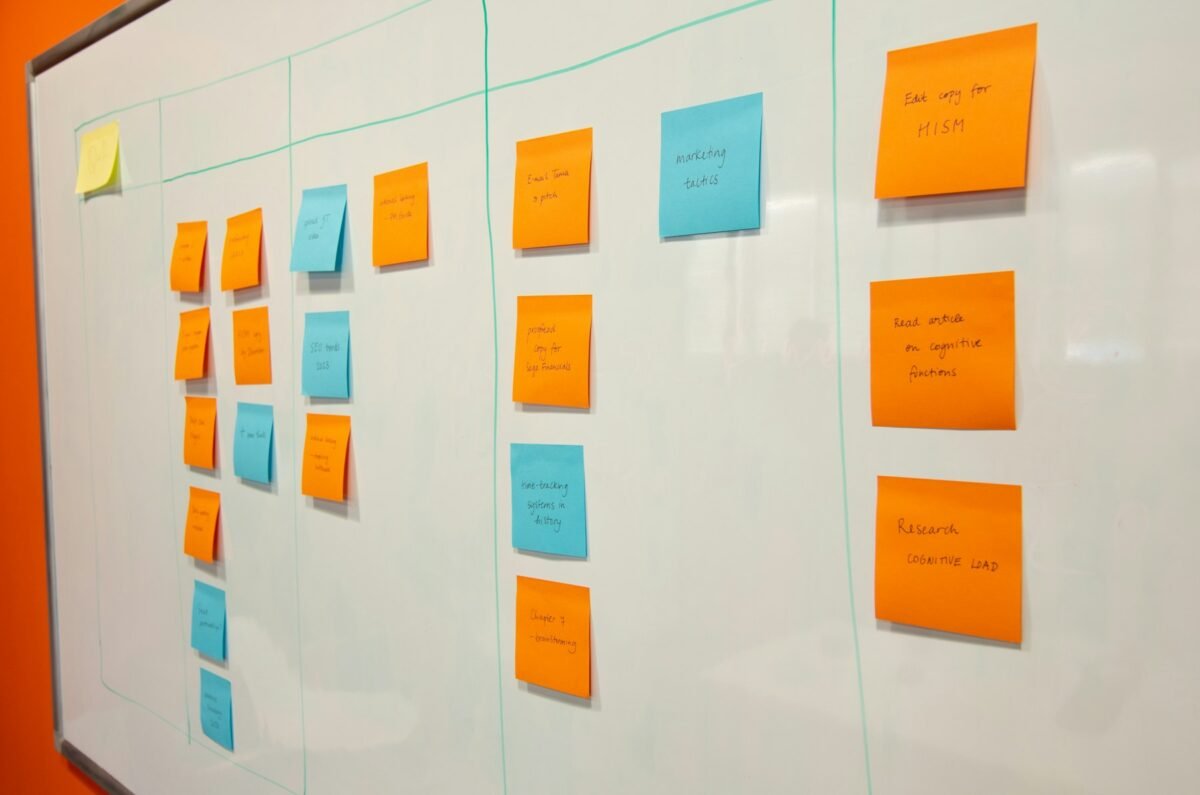
Build a clear delay-event chronology using dates, references, cause-and-effect links, responsibilities and supporting project records.
Delay Event Chronology: 10 Practical Steps for Construction Projects
11 August 2026 — Christian Ramos

A well-prepared delay event chronology turns scattered emails, drawings, RFIs, instructions, and schedule updates into a clear sequence that a reviewer can understand. It should show what happened, when it happened, who was responsible for the next action, and how the event affected the work.
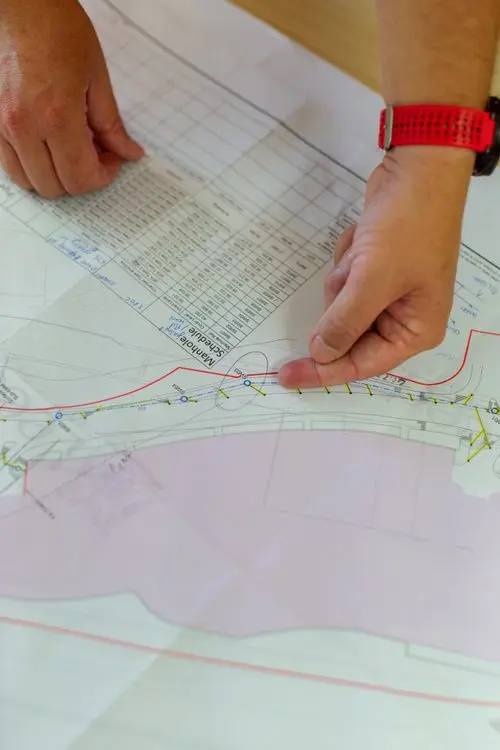
However, the chronology is not the full delay analysis. It is the factual backbone that supports the cause-and-effect narrative and the programme assessment.
For instance, each delay event chronology entry should connect a dated record to the affected activity and the next required action. Consequently, a reviewer can follow the cause-and-effect sequence without searching through every project file.
Start with a clear event statement
To begin, open with one short paragraph that identifies the issue. Avoid argument at this stage.
For example:
The planned stone installation in Area B2 could not start because the workfront was not handed over in the condition required by the approved programme. Access remained restricted while interface works by others were incomplete.
As a result, the reader should immediately know the delayed scope, location, planned timing, and main obstruction.
Build the delay event chronology from reliable records
In addition, use contemporaneous documents wherever possible. Strong records include:
- Contract correspondence and formal notices.
- Requests for information and responses.
- Employer or engineer instructions.
- Drawing and material-submittal registers.
- Site handover and clearance records.
- Daily reports, photographs, and meeting minutes.
- Delivery notes and inspection requests.
- Approved baseline and contemporaneous schedule updates.
Therefore, do not rely only on later recollections. A record created at the time of the event normally carries more weight than a summary written months later.
Use a consistent delay event chronology table
For consistency, the following structure works well for most construction delay events:
| Date | Reference | Event or communication | Required action | Schedule relevance |
|---|---|---|---|---|
| 05 May | RFI-0123 | Contractor requested clarification of the interface detail | Engineer to respond | Design information needed before fabrication |
| 12 May | Meeting minutes | Response remained outstanding | Engineer to issue detail | Planned procurement start affected |
| 20 May | RFI response | Revised detail issued | Contractor to update shop drawing | Eight working days of the planned window had passed |
| 22 May | SD-045 Rev. 2 | Revised shop drawing submitted | Engineer to review | Mitigation through expedited resubmission |
For clarity, keep each entry factual. If responsibility is disputed, state the observable action or inaction and address contractual interpretation separately.
Connect cause and effect
In practice, a long list of letters does not prove delay. The chronology must connect the event to specific programme activities.
Use this chain:
- Cause: What information, access, approval, material, or instruction was missing?
- Affected activity: Which planned activity could not proceed?
- Dependency: Why was the missing item necessary?
- Effect: What work was delayed, resequenced, or disrupted?
- Completion impact: Did the event affect a driving or critical path?
For example, a late drawing response may not delay completion if fabrication had enough float or if other approved areas were available. The chronology should not overstate the effect.
Include the planned and actual dates
Next, for the affected work, show at least:
- Baseline planned start and finish.
- Planned date in the last accepted update before the event.
- Required-by date for information, access, or approval.
- Actual date received or released.
- Actual start and finish, if completed.
- Data date of each schedule used in the analysis.
As a result, these dates let the reviewer distinguish a late response from a response that caused critical delay.
Record notices and reservations
Moreover, include the date and reference of the initial notice, follow-up notices, particulars, and any extension-of-time submission. Note the contractual period for notice, but avoid turning the chronology into a legal conclusion unless it has been reviewed for that purpose.
In addition, if mitigation was performed, state it clearly. Examples include moving crews, working in alternative zones, resequencing procurement, or expediting a resubmission.
Add supporting evidence without overloading the main table
Then, number supporting documents and link them to the chronology entry. A practical appendix structure is:
- Appendix A: Contract correspondence.
- Appendix B: RFIs and technical responses.
- Appendix C: Drawings and submittal logs.
- Appendix D: Site records and photographs.
- Appendix E: Schedule extracts and calculations.
Likewise, use descriptive file names and keep the same reference numbers in the narrative, table, and appendices.
Write in neutral, precise language
Good chronology wording is direct:
- “The response was received on 20 May.”
- “The approved programme required fabrication to start on 12 May.”
- “Installation could not begin because the supporting steel was incomplete.”
However, avoid emotional or vague wording such as “serious negligence,” “constant delay,” or “the site was never ready” unless the statement is necessary, accurate, and supported.
Link the delay event chronology to the schedule analysis
Finally, once the factual sequence is established, compare contemporaneous programme updates. Trace the effect on the driving path, available float, and the relevant completion milestone.
Oracle’s explanation of P6 activity dates helps clarify which date fields are calculated and which may be manually entered. AACE International’s recommended practices provide additional professional guidance for schedule and cost analysis.
The chosen delay-analysis method must suit the contract, available records, timing of the analysis, and quality of the schedule updates.
Delay event chronology quality-control checklist
Before issuing the chronology, confirm that:
- Every statement has a date or document reference.
- Reference numbers and revisions are correct.
- Planned dates come from an identified schedule version.
- Calendar days and working days are not mixed.
- The event is linked to specific activities and milestones.
- Contractor, employer, engineer, and third-party actions are distinguished.
- Mitigation steps are recorded.
- Duplicate or irrelevant correspondence is removed.
- The narrative agrees with the chronology table.
- Appendices are complete and searchable.
Final takeaway
A delay event chronology should make a complicated history easy to follow. Its strength comes from verified dates, consistent references, neutral language, and a clear link between the event and the programme.
If you need support organizing records into a defensible planning narrative, read about my project controls experience or contact me.
Frequently asked questions
How long should a delay event chronology be?
It should be long enough to capture every material event but short enough to follow. Minor reminders can be grouped when they do not add new facts.
Should photographs be included?
Yes, when they prove access, obstruction, installed condition, or progress. Add the date, location, photographer or source, and a short caption.
Does a chronology prove entitlement to an extension of time?
No. It supports the factual record. Entitlement also depends on the contract, notice requirements, causation, concurrency, mitigation, and the delay analysis.